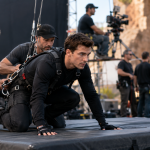


Dance is an essential part of many movies, television programs, music videos, commercials, and live productions. Performers may be expected to execute demanding choreography while cameras, lighting equipment, sets, and other performers surround them. When choreography becomes physically demanding, however, the line between ordinary performance and stunt work can become less clear.
That distinction matters because certain movements can create significant injury risks. Falls, flips, repeated impacts, lifts, jumps, and high-intensity fight choreography can place substantial stress on a performer’s body. In 2026, the entertainment industry is paying increased attention to the question of when physically demanding choreography should receive additional safety consideration.
SAG-AFTRA has specifically discussed the distinction between dance hazards and stunt activity, noting that certain high-impact choreography may qualify for additional protections or compensation depending on the circumstances. SAG-AFTRA’s guidance for dancers provides additional information about this developing issue.
Why the Difference Between Dance and Stunt Work Matters
Not every difficult dance movement is necessarily a stunt. At the same time, a sequence performed as choreography can involve hazards that resemble traditional stunt work.
A dance routine may involve repeated jumping, falling, rapid changes of direction, physical contact, lifts, or movements performed on hard or uneven surfaces. When those movements are repeated for multiple takes, the physical demands can increase even if the sequence initially appears controlled.
SAG-AFTRA has highlighted situations in which repeated high-impact choreography may become hazardous over time. The organization encourages dancers to understand when their movements may qualify for additional protections.
This issue is particularly relevant to performers working on productions where choreography is closely integrated with action sequences.
What Types of Choreography Can Create Injury Risks?
Film and television choreography can range from traditional dance routines to highly physical sequences designed to look like combat, athletic competition, or action scenes.
Potentially hazardous movements can include:
- Repeated jumps and landings
- Falls onto floors or mats
- Partner lifts and catches
- Rapid spins and changes of direction
- Acrobatic movements
- Fight choreography
- High-impact kicks or strikes
- Repeated rehearsals and takes
- Wire-assisted or harness-assisted movements
The surrounding environment can also affect the risk. A performer may be required to work around cameras, cables, lighting equipment, props, platforms, temporary flooring, and other production equipment.

Common Injuries From Physically Demanding Choreography
Performers can experience a wide range of injuries while rehearsing or filming physically demanding sequences. Some injuries occur during a single incident, while others can develop after repeated stress.
Potential injuries include sprains, strains, muscle injuries, joint injuries, fractures, back injuries, knee injuries, shoulder injuries, and head injuries.
Repeated impact can also contribute to physical problems over time. A performer who repeatedly lands from a jump or performs the same physically demanding movement may experience increasing pain or reduced mobility.
Head impacts deserve particular attention. Our article on stunt performer concussion risks and safety rules discusses concussion awareness and the importance of recognizing possible symptoms after a head impact.
When Can Choreography Become a Stunt?
There is no single movement that automatically turns every dance performance into stunt work. The classification can depend on the nature of the activity, the risks involved, how the sequence is performed, and the circumstances of the production.
For example, a simple dance step performed on a level studio floor may present relatively limited physical risk. A sequence involving repeated falls, high-impact movements, acrobatics, or dangerous environmental conditions may present very different concerns.
SAG-AFTRA’s stunt resources emphasize the importance of qualified personnel when stunt activity is required. Its stunt coordinator eligibility information explains the industry’s focus on qualified individuals for stunt-related activities.
That distinction can become particularly important when a performer is injured while performing choreography that was treated as ordinary dance even though the sequence involved substantial physical hazards.
Why Repeated Takes Can Increase Physical Stress
Filming rarely means performing a sequence only once. A scene may need multiple takes because of camera angles, lighting, sound, timing, continuity, or director feedback.
Repeated movement can create additional physical demands. A performer may execute the same jump, landing, lift, fall, or physical interaction dozens of times over the course of rehearsals and filming.
Fatigue may also affect coordination. When a performer becomes tired, maintaining precise technique can become more difficult. Small changes in timing or positioning can increase the possibility of an accident.
Production teams therefore need to consider more than whether a single take appears safe. The cumulative demands of rehearsals and repeated takes can also be relevant to overall performer safety.
The Role of a Stunt Coordinator
A qualified stunt coordinator can play an important role when choreography involves significant physical hazards.
The coordinator may help evaluate the sequence, identify hazards, organize rehearsals, coordinate protective equipment, and work with other members of the production team to reduce unnecessary risks.
SAG-AFTRA states that when a producer requires script or non-script stunts or stunt-related activity, a qualified individual should be engaged and present on the set. Its producer resources for stunt coordinators provide additional information about this responsibility.
When a physically demanding choreography sequence is treated as routine dance despite presenting substantial stunt-like hazards, questions about supervision, training, and safety planning may arise after an injury.
What Happens When a Performer Is Injured?
An injury during choreography can create immediate medical concerns as well as longer-term professional and financial consequences.
A performer may need medical treatment, rehabilitation, time away from work, or changes to future performance activities. Depending on the injury, the effects may extend beyond the production on which the accident occurred.
Workers injured during employment may have workers’ compensation rights. Other circumstances may involve third-party claims or other legal remedies. The appropriate legal path depends on the facts of the situation and the applicable state law.
Our guide to filing a workplace injury claim provides additional information about workplace injury claims and concerns about employment.
Documenting a Choreography Injury
Documentation can be important after an accident, particularly if there is disagreement about how the incident happened or what caused the injury.
A performer should consider preserving information about the choreography, rehearsal schedule, production instructions, equipment, location, witnesses, and medical treatment.
Photographs or video of the set may also help establish the physical conditions surrounding the incident. Production call sheets, messages, emails, and other communications may provide additional context.
Witnesses can also be valuable. Crew members, choreographers, stunt coordinators, fellow performers, and other people present during the incident may have firsthand information about what happened.
Our article explaining why witness statements can make or break an injury claim discusses the importance of preserving firsthand accounts.
What Should Performers Do After an On-Set Injury?
A performer who is injured during choreography should prioritize medical attention. Continuing to perform despite significant symptoms can potentially make an injury worse.
It is also important to report the incident through the appropriate production or workplace process. Creating a record soon after an accident can help preserve important details while they are still fresh.
- Seek medical attention. Have injuries evaluated by an appropriate healthcare professional.
- Report the incident. Notify the production or employer according to the applicable reporting procedures.
- Document the scene. Preserve photographs, video, and information about the equipment and location.
- Identify witnesses. Record the names and contact information of people who observed the incident when appropriate.
- Preserve records. Keep medical documents, production communications, schedules, and relevant agreements.
- Understand your legal options. Consider speaking with an attorney who understands entertainment and workplace injury issues.
Our first 24 hours after an accident guide also explains why prompt documentation and medical attention can matter after an injury.
Could Workers’ Compensation Apply?
Many entertainment professionals work under employment, union, freelance, or contractual arrangements that can make injury claims more complicated.
Workers’ compensation may apply when an injury arises out of and in the course of employment, but the exact rules depend on the jurisdiction and circumstances. A performer’s classification and relationship with the production may also affect the available remedies.
In some situations, another company, equipment manufacturer, property owner, or contractor may have played a role in creating the hazard. This is one reason an investigation can be important after a serious production accident.
Why Safety Planning Matters Before Filming
The best time to address a dangerous choreography sequence is before cameras begin rolling.
Productions can evaluate the environment, identify potential hazards, establish appropriate rehearsal procedures, determine whether specialized personnel are needed, and make sure performers understand the sequence.
Risk assessment should also account for the entire sequence rather than focusing only on one movement. A routine that combines repeated jumps, physical contact, rapid movement, and difficult surfaces may present substantially different risks from an ordinary dance performance.
SAG-AFTRA has recently offered hands-on training focused on hazard and risk assessment for action sequences, illustrating the industry’s growing emphasis on identifying hazards before an incident occurs. The organization’s 2026 hazard and risk assessment workshop provides an example of this approach.

How Legal Issues Can Develop After a Choreography Accident
After an injury, questions may arise about whether the production took reasonable safety precautions, whether the performer received adequate instruction, whether equipment was appropriate, and whether the sequence was properly supervised.
Other questions may concern the classification of the activity. If a sequence involved substantial stunt-like risks, its treatment as ordinary choreography may become relevant to an investigation.
These questions are highly fact-specific. A legal professional can review the circumstances of an individual injury and explain which claims or benefits may potentially apply.
Final Thoughts
The difference between dance choreography and stunt activity can become important when a performance involves substantial physical hazards. As entertainment productions continue to create increasingly demanding action and choreography sequences, identifying risks before filming may help protect performers and crew.
The current industry conversation around dancer hazards and stunt classification is particularly relevant in 2026. Performers should understand the physical demands of their work, speak up about safety concerns, and know what steps to take when an injury occurs.
If you are injured while performing choreography, documenting the incident and obtaining appropriate medical and legal guidance can help you understand the protections and options that may be available in your situation.