
The film industry is rapidly shifting toward virtual production, using LED volume stages, real-time rendering, and AI-assisted environments instead of traditional physical sets. While this technology has revolutionized filmmaking, it has also introduced new and unexpected safety risks for actors, stunt performers, and crew members.
As productions become more technologically advanced, accidents involving LED walls, motion capture systems, electrical setups, and hybrid digital-physical environments are increasingly being reported. Understanding these risks is essential for anyone working in modern entertainment production.
What Is Virtual Production?
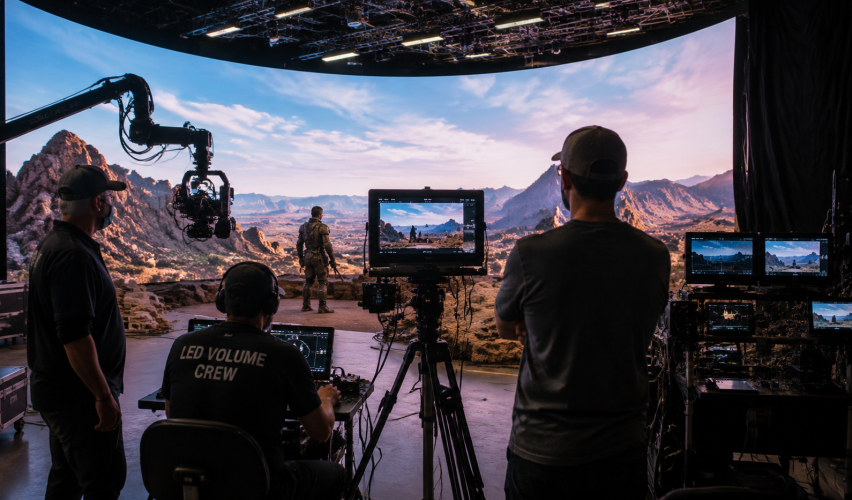
Virtual production combines real-time computer graphics with physical filmmaking environments. Instead of relying only on green screens, studios now use massive LED walls to display dynamic digital backgrounds while actors perform in real time.
This technology is widely used in high-budget productions and streaming content. However, the integration of complex systems introduces new workplace hazards that traditional film sets did not have.
Industry insights from FilmLA show that virtual production usage has grown significantly across major studios in California and beyond.
Common Causes of Virtual Production Set Accidents
Although virtual production is designed to streamline filming, accidents can still happen due to technical and human factors. Some of the most common causes include:
- LED wall electrical malfunctions or overheating
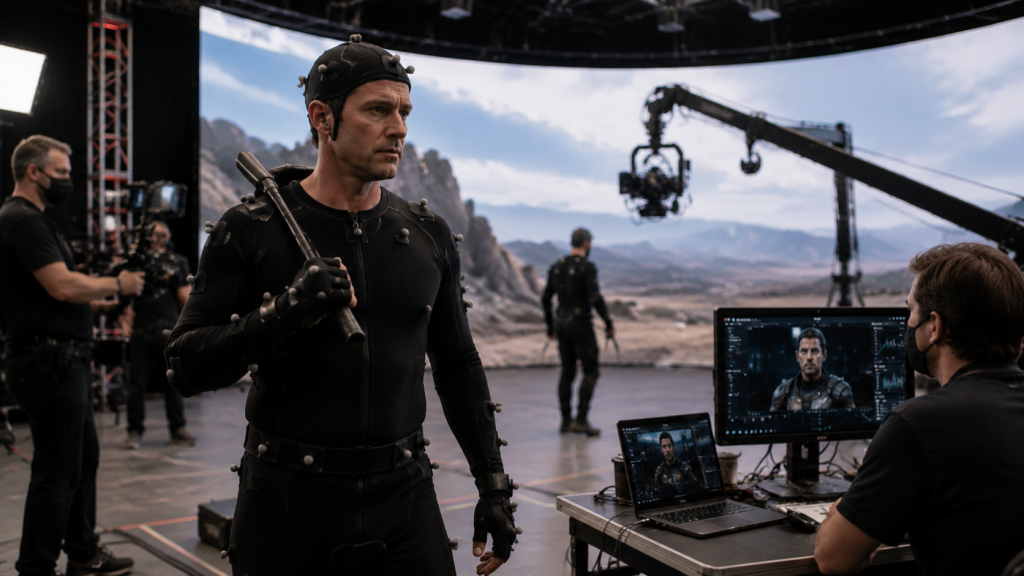
- Motion capture system tracking failures
- Trip hazards from extensive cabling and sensor grids
- Improper calibration of real-time rendering systems
- Lighting synchronization errors causing visual disorientation
These risks can lead to injuries ranging from minor falls to serious electrical or equipment-related harm.
Who Is at Risk on a Virtual Production Set?
Unlike traditional film sets, virtual production environments involve both technical and creative teams working closely together in shared digital-physical spaces. This increases exposure for:
- Actors performing in motion capture suits
- Camera and lighting technicians
- LED wall engineers and software operators
- Stunt coordinators working in hybrid environments
- Production assistants navigating equipment-heavy stages
Because these sets are still relatively new, safety protocols are still evolving, leaving gaps in training and hazard prevention.
Legal Liability in Virtual Production Accidents
When an injury occurs on a virtual production set, determining liability can be complex. Unlike traditional sets, responsibility may be shared across multiple parties.
Potentially liable parties may include production companies, equipment manufacturers, LED wall vendors, or third-party tech contractors.
According to workplace safety guidelines from OSHA, employers are required to maintain a safe working environment even when using advanced technologies.
Common Legal Claims May Include:
- Workplace negligence
- Failure to maintain safe equipment
- Inadequate training for new production systems
- Electrical hazard violations
- Unsafe set design or layout
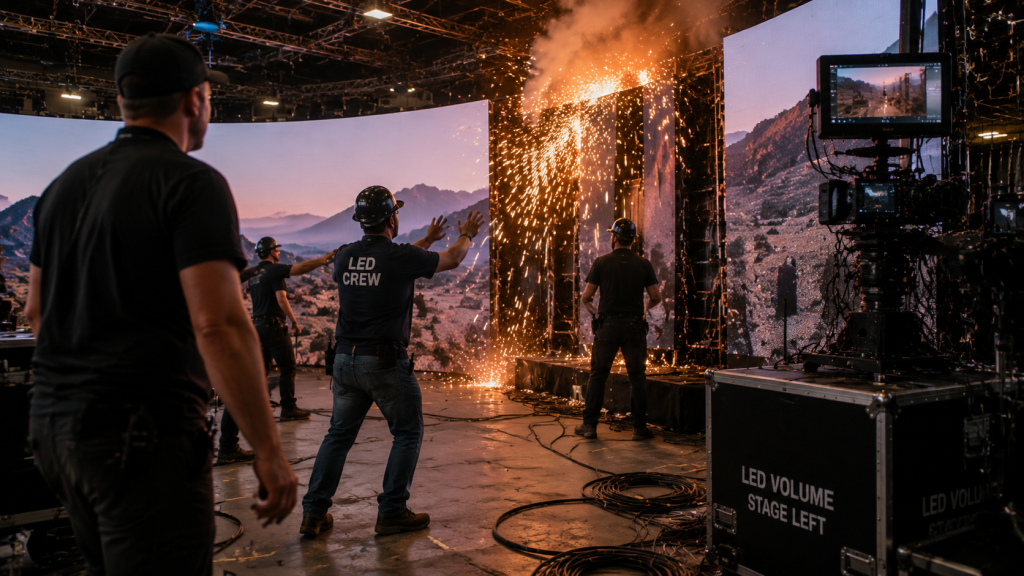
Examples of Virtual Production Injuries
As the industry expands, reported injuries include:
- Falls caused by poorly marked stage boundaries
- Eye strain and disorientation from LED wall brightness
- Electrical burns or shocks from malfunctioning systems
- Neck and back injuries from motion capture equipment
- Stress-related injuries due to fast-paced digital workflows
These incidents highlight how technology-driven sets require updated safety planning and supervision.
How Virtual Production Changes Traditional Film Safety
Traditional film sets relied on physical props, controlled lighting, and static backgrounds. Virtual production replaces many of these with digital systems that require constant calibration and technical monitoring.
This shift means safety risks are no longer just physical—they are also digital and technical. Errors in rendering systems or synchronization can create unexpected hazards for cast and crew.
Industry groups such as SAG-AFTRA continue to advocate for safer working conditions as AI and virtual production become more common.
Steps to Take After a Virtual Production Injury
If an accident occurs on a virtual production set, immediate action is important for both health and legal protection.
- Seek immediate medical attention
- Report the incident to production management
- Document equipment and set conditions
- Collect witness statements from crew members
- Consult a legal professional experienced in entertainment injuries
Internal Resources on Lights Camera Injury
External References
Virtual production is reshaping filmmaking, but with innovation comes responsibility. As LED volume stages and AI-driven environments become standard, ensuring safety on set is more important than ever.