
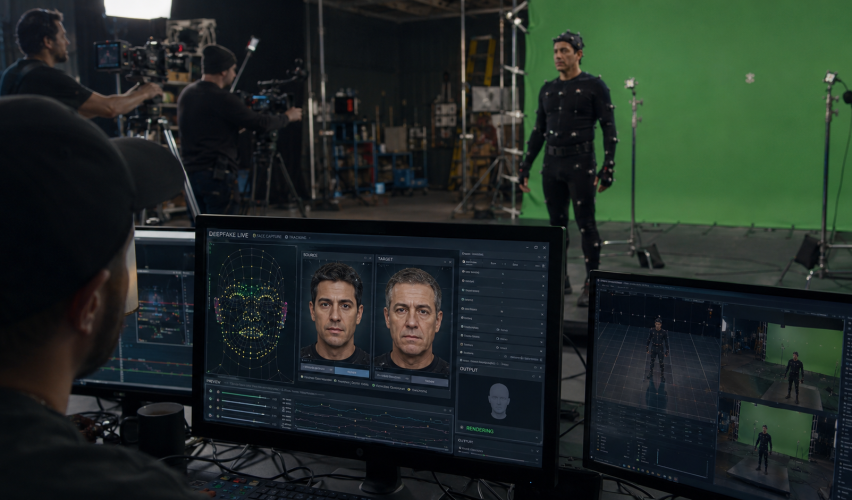
Artificial intelligence (AI) has revolutionized filmmaking, media, and social media content, enabling realistic deepfake videos, voiceovers, and CGI recreations. While these tools offer incredible creative opportunities, they also create legal challenges. Unauthorized use of a person’s likeness can cause reputational damage, emotional distress, and financial loss, giving rise to potential personal injury and entertainment law claims.
What Are AI Deepfakes?
Deepfakes are AI-generated videos or images that manipulate a person’s appearance, voice, or movements to create realistic but fabricated content. In entertainment, deepfakes may be used for:
- Replacing actors or stunt doubles digitally
- Voice cloning for dubbing and narration
- Reshooting scenes without actors on set
- Creating digital doubles for CGI effects
- Promotional content and social media campaigns
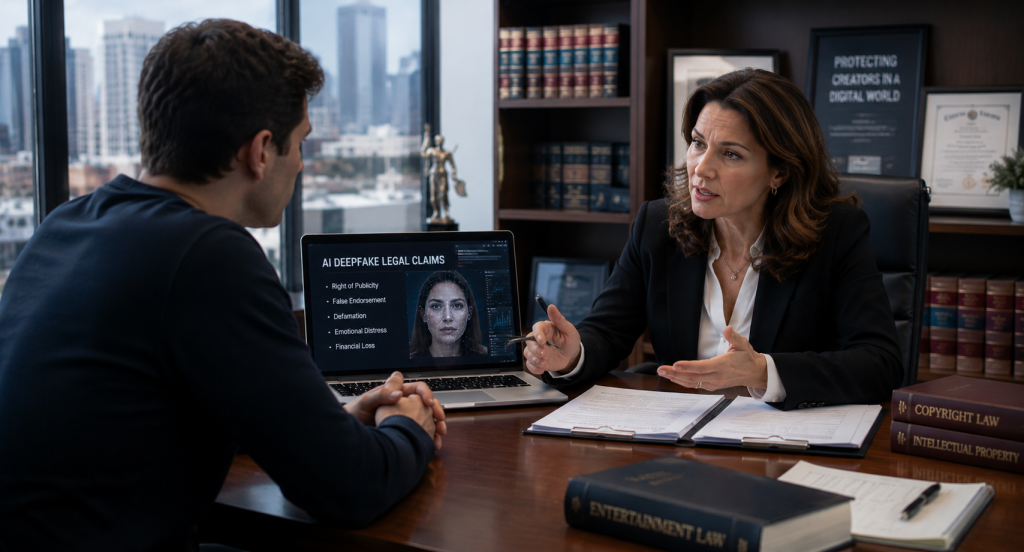
However, misuse of deepfakes can lead to legal issues if content is unauthorized or defamatory. The SAG-AFTRA has raised concerns regarding performers’ likeness rights and compensation protections.
How Deepfakes Can Cause Harm
Unauthorized deepfake content may create:
- Reputational damage
- Emotional distress and anxiety
- Financial losses, including lost contracts or endorsements
- Career setbacks for actors, influencers, or crew
- Privacy violations or defamation

Who Can Be Held Liable?
Liability depends on who created, distributed, or benefited from the deepfake. Possible parties include:
- Production companies using AI without consent
- Software developers creating deepfake tools
- Social media platforms hosting the content
- Advertisers or promoters exploiting someone’s likeness
- Independent creators distributing harmful content
Steps to Protect Your Rights
- Document the content: Take screenshots, save URLs, and preserve evidence.
- Report it: Notify social media platforms or publishers of unauthorized deepfake content.
- Preserve communications: Keep emails, contracts, and licensing agreements.
- Seek legal guidance: Entertainment lawyers can assess claims for defamation, right of publicity, or emotional distress.
- Monitor damages: Track financial or reputational losses caused by the deepfake.
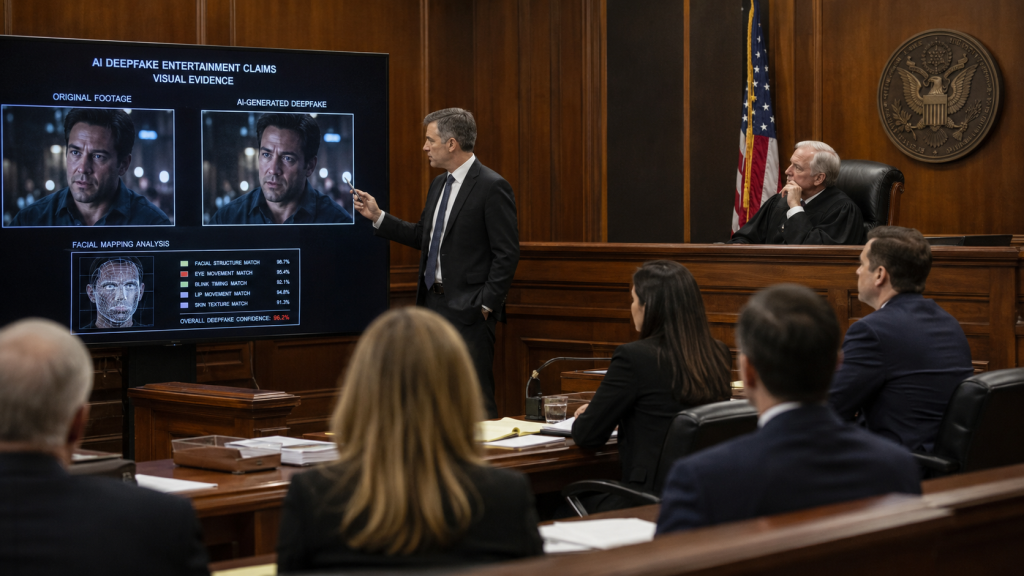
Legal Protections and Precedents
California and other states provide laws on:
- Right of publicity
- Defamation
- Privacy and emotional distress claims
- Consumer protection violations
The California Attorney General offers guidance on digital impersonation and privacy rights, increasingly relevant as AI-generated content grows.