
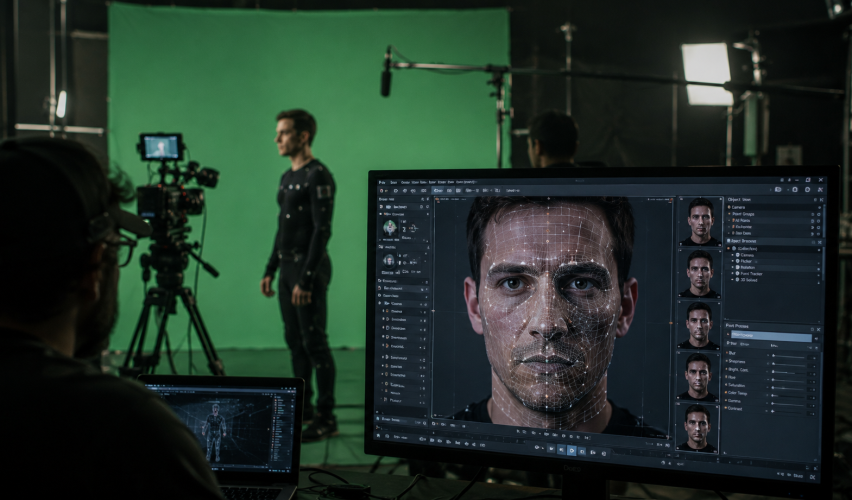
Artificial intelligence is rapidly changing the entertainment industry. From digitally recreating actors to generating realistic voices and visuals, AI tools are now being used in movies, commercials, streaming content, and social media campaigns. While these technologies may offer creative possibilities, they also raise serious legal concerns when someone’s likeness, voice, or identity is used without consent.
As deepfake technology becomes more advanced, injury claims connected to AI-generated content are becoming a growing issue in entertainment law. Actors, influencers, production workers, and even everyday people may face emotional distress, reputational damage, lost income, and privacy violations due to unauthorized AI-generated content.
If you or someone you know has been harmed by AI-generated media, understanding your legal options may help you protect your rights and financial future.
What Is Deepfake Technology?
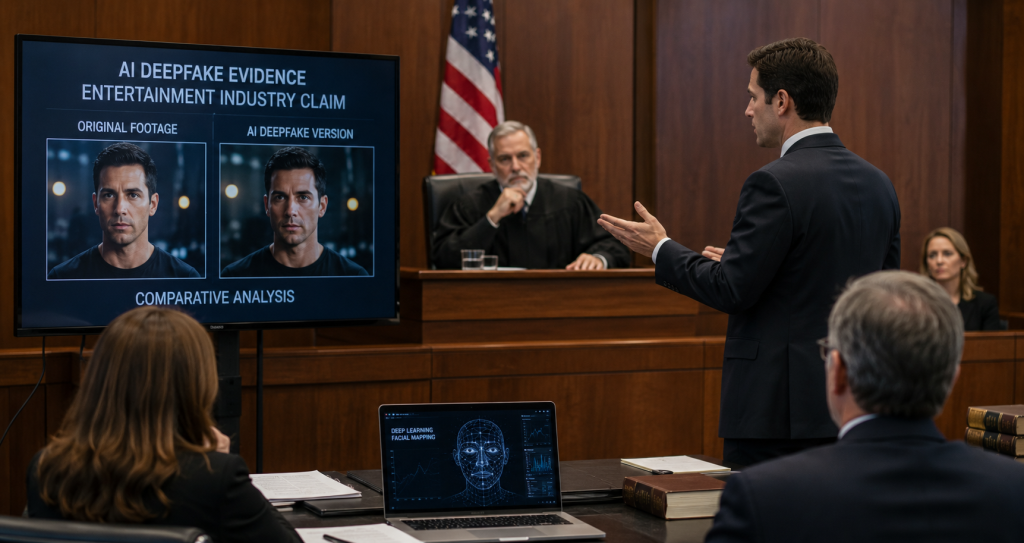
Deepfake technology uses artificial intelligence and machine learning to create realistic fake videos, audio clips, and images. These tools can replicate a person’s face, voice, movements, and expressions with surprising accuracy.
In the entertainment industry, deepfake technology has been used for:
- Digitally recreating actors
- Voice cloning for dubbing and narration
- Replacing stunt performers
- Generating AI influencers and celebrities
- Editing scenes without reshoots
While some uses are authorized, problems arise when someone’s likeness is used without permission or in a misleading or harmful way.
According to the SAG-AFTRA, AI protections have become a major issue in entertainment contracts due to concerns over digital replicas and unauthorized use of performers’ identities.
How AI Deepfakes May Cause Harm
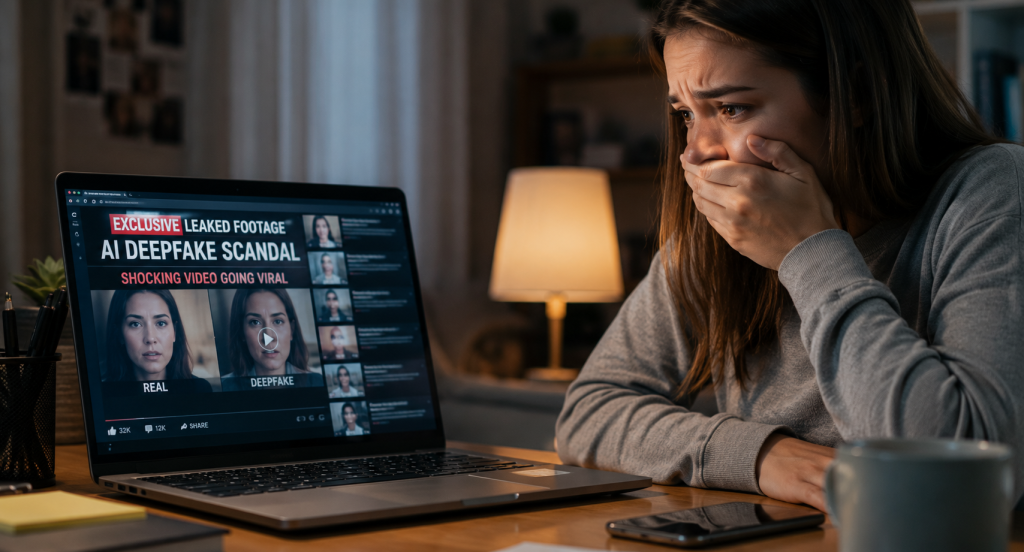
Deepfake content may lead to serious personal and professional harm. In some cases, victims suffer financial losses, reputational damage, emotional distress, or workplace consequences.
Common examples include:
- Unauthorized use of an actor’s likeness in commercials or films
- Fake interviews or videos damaging a performer’s reputation
- AI-generated adult content using someone’s image
- Voice cloning scams involving celebrities or influencers
- Manipulated footage creating false public narratives
Victims may experience anxiety, stress, career setbacks, and online harassment after deepfake content spreads online.
The Federal Trade Commission has warned that AI impersonation scams and deepfake fraud are rapidly increasing across digital platforms.
Who May Be Held Liable?
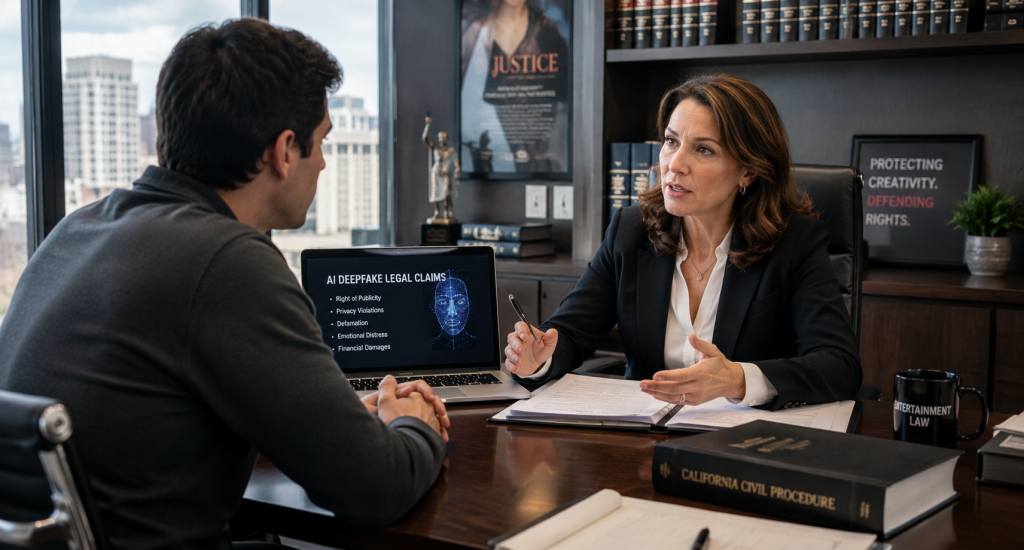
Determining liability in AI deepfake cases may be complicated. Multiple parties could potentially share responsibility depending on how the content was created and distributed.
Potentially liable parties may include:
- Production companies
- Advertising agencies
- AI software developers
- Social media platforms
- Content creators
- Distributors of manipulated media
If negligence, unauthorized use, or intentional misconduct played a role, legal action may be possible.
Some claims may involve:
- Right of publicity violations
- Defamation
- Privacy violations
- Emotional distress claims
- Copyright infringement
- Employment-related disputes
As laws surrounding AI continue to evolve, courts are beginning to address how existing injury and privacy laws apply to deepfake technology.
Entertainment Industry Workers Face Growing Risks
Actors and entertainment professionals are increasingly raising concerns about AI replacing or exploiting creative work. Background actors, voice actors, stunt performers, and influencers may be particularly vulnerable if their likeness is scanned or replicated without proper agreements.
The rise of generative AI tools has already sparked major labor disputes in Hollywood. The Writers Guild of America and SAG-AFTRA both negotiated protections relating to AI use in entertainment contracts.
Workers may face:
- Loss of future job opportunities
- Unauthorized digital replicas
- Reduced compensation
- Misleading portrayals
- Loss of creative control
If someone’s image or voice is used in a harmful or deceptive way, legal remedies may be available.
Steps To Take If You Are Targeted by Deepfake Content
If you discover unauthorized AI-generated content involving your likeness or identity, acting quickly may help protect your rights.
Document the Content
Take screenshots, save URLs, and record evidence showing where the content appeared and how it was distributed.
Report the Content
Many platforms have reporting systems for manipulated media, impersonation, or privacy violations.
Preserve Communication Records
Keep emails, contracts, messages, or licensing agreements related to your likeness or voice rights.
Seek Legal Guidance
An entertainment injury lawyer or privacy attorney may evaluate whether you have grounds for a legal claim.
Monitor Financial Damage
Track lost business opportunities, canceled contracts, or other financial harm connected to the deepfake content.
Could California Laws Apply?
California has some of the strongest publicity and privacy protections in the country. Since much of the entertainment industry operates in California, many AI-related claims may involve California laws.
Existing laws may address:
- Unauthorized commercial use of likeness
- Digital impersonation
- False advertising
- Defamation
- Consumer protection violations
The California Attorney General continues to monitor privacy and emerging technology concerns related to AI systems.
The Future of AI Injury Claims
As AI tools continue evolving, deepfake-related lawsuits may become more common across entertainment, advertising, and digital media industries.
Courts and lawmakers are still determining how existing laws apply to artificial intelligence. New regulations may emerge regarding consent, licensing, disclosure requirements, and AI-generated content.
For entertainment professionals, protecting digital identity rights may become increasingly important in the years ahead.
Anyone harmed by unauthorized AI-generated content may benefit from understanding the legal protections currently available.
Why Legal Guidance May Matter
AI deepfake injury claims often involve complex technical and legal issues. Determining how the content was created, who distributed it, and whether consent existed may require extensive investigation.
Legal professionals handling entertainment and injury-related cases may help victims understand potential claims involving privacy, defamation, lost income, and emotional harm.
You may also want to learn more about related entertainment injury topics on Lights Camera Injury:
- Film Set Accidents
- Accident Prevention
- Workplace Safety
- Personal Injury
- Entertainment Industry Injuries
External Resource/s:
AI technology may continue reshaping entertainment, but legal questions surrounding identity rights and personal harm are becoming more important than ever. Understanding your rights and documenting potential harm may help if you are affected by unauthorized deepfake content.