
As self-driving technology continues to evolve, it brings with it a host of legal and ethical challenges. One of the most pressing issues facing individuals and the legal system is how personal injury claims are handled in the event of an accident involving an autonomous vehicle. Whether it’s a crash with a pedestrian, another vehicle, or even property, understanding your rights and how to navigate a claim in this new landscape is crucial. This article explores the ins and outs of personal injury claims related to autonomous vehicles, offering valuable guidance on how to protect your rights and seek compensation.
Why Are Autonomous Vehicles on the Rise?
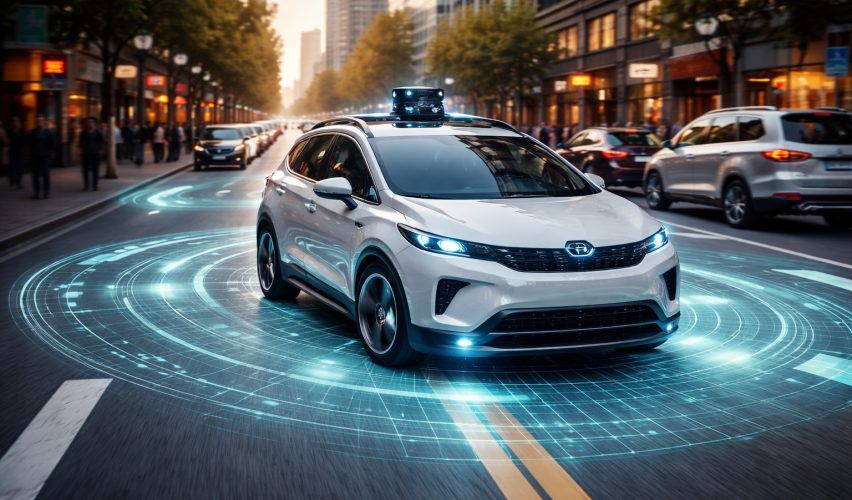
Autonomous vehicles (AVs), also known as self-driving cars, are becoming more common on roads across the world. Companies like Tesla, Waymo, and Cruise are leading the charge, creating a wave of change in the transportation industry. These vehicles are equipped with advanced sensors, cameras, and algorithms that allow them to drive without human intervention.
Despite the impressive technology, AVs are still prone to accidents. A study by CBS News revealed that while autonomous vehicles are generally safer than human drivers, accidents are still occurring at an alarming rate. Many of these incidents involve issues such as sensor malfunctions, software errors, and insufficient data processing, all of which can lead to severe injuries.
Common Causes of Accidents Involving Autonomous Vehicles
When it comes to self-driving cars, liability can be difficult to determine. However, understanding the common causes of accidents can help you identify the responsible parties. Here are some typical causes of autonomous vehicle accidents:
- Software Failure: Autonomous vehicles rely heavily on complex software to make driving decisions. Any glitch or failure in the system can lead to catastrophic accidents.
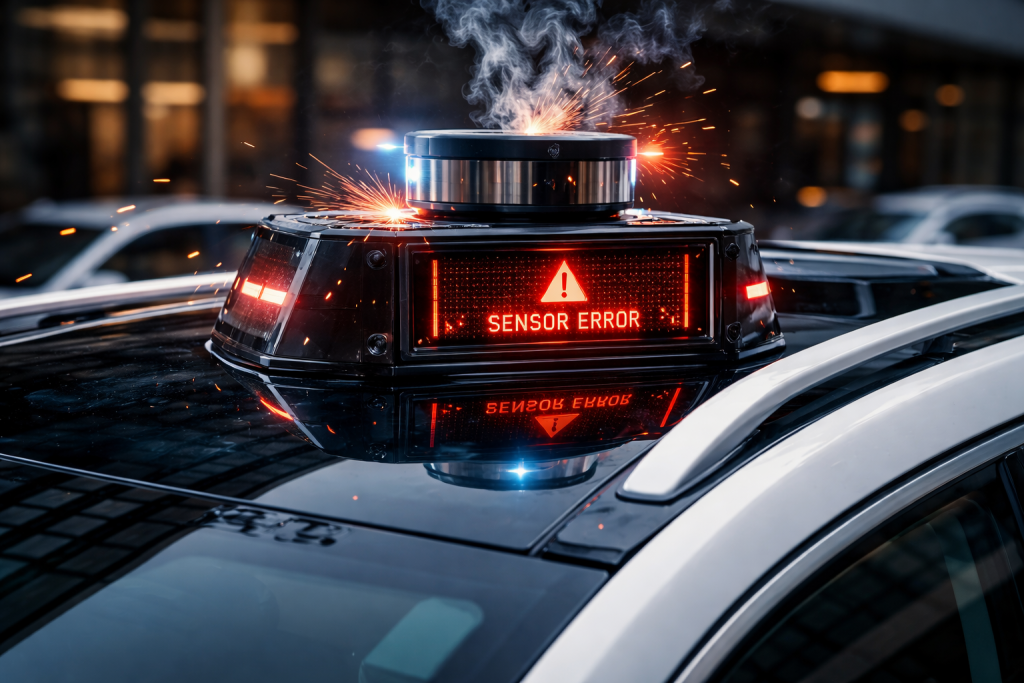
- Sensor Malfunction: Autonomous vehicles are equipped with an array of sensors, including radar, LIDAR, and cameras. If these sensors fail to detect obstacles or other vehicles, accidents are more likely.
- Human Error: In some cases, human error can still play a role, especially if a driver has taken over control of the vehicle or is monitoring the system.
- Environmental Factors: Poor weather conditions or unexpected road hazards may interfere with the vehicle’s sensors and decision-making processes.
Who Can Be Held Liable in an Autonomous Vehicle Accident?
Determining liability in a self-driving car accident is more complex than traditional vehicle crashes. There are several parties that may be held responsible, including:
- The Vehicle Manufacturer: If a defect in the vehicle’s design or software contributed to the accident, the manufacturer may be held liable. This is similar to how traditional car manufacturers can be sued for product defects.
- The Software Developer: If the accident was caused by a malfunction in the software that controls the autonomous vehicle, the company that developed the software may be responsible.
- The Vehicle Owner: If the vehicle owner was negligent in maintaining the vehicle or did not use the autonomous features as intended, they could be held accountable.
- Third Parties: Other drivers, pedestrians, or even government entities responsible for road maintenance can also be held liable, depending on the circumstances of the accident.

Steps to Take After an Autonomous Vehicle Accident
If you’ve been involved in an accident with an autonomous vehicle, it’s important to take the following steps to protect your legal rights:
- Seek Medical Attention: Even if you feel fine, it’s important to get checked out by a medical professional. Some injuries, like whiplash or concussions, may not be immediately apparent.
- Document the Scene: Take photos of the accident scene, including the vehicle(s) involved, any visible damages, and the surrounding area. This will help establish the facts of the case.
- Report the Accident: File a police report and provide accurate information about the accident. Be sure to mention any details about the autonomous vehicle’s behavior.
- Contact a Personal Injury Lawyer: Autonomous vehicle accidents involve complex legal issues. It’s crucial to consult with an attorney who specializes in personal injury claims involving self-driving cars. They can guide you through the process and help you get the compensation you deserve.
- Preserve Evidence: Keep all records related to the accident, including medical bills, police reports, and correspondence with insurance companies.
What You Should Know About Compensation
If you’ve been injured in an autonomous vehicle accident, you may be entitled to compensation. Some of the damages you may be able to recover include:
- Medical Expenses: This includes all costs associated with your treatment, from hospital bills to rehabilitation services.
- Lost Wages: If your injuries prevent you from working, you may be entitled to compensation for the income you’ve lost during your recovery.
- Pain and Suffering: This category accounts for the physical and emotional toll the accident has taken on your life.
- Property Damage: If your vehicle or other personal property was damaged in the accident, you may be entitled to compensation for repairs or replacement.
Why You Need an Experienced Lawyer for Your Autonomous Vehicle Claim
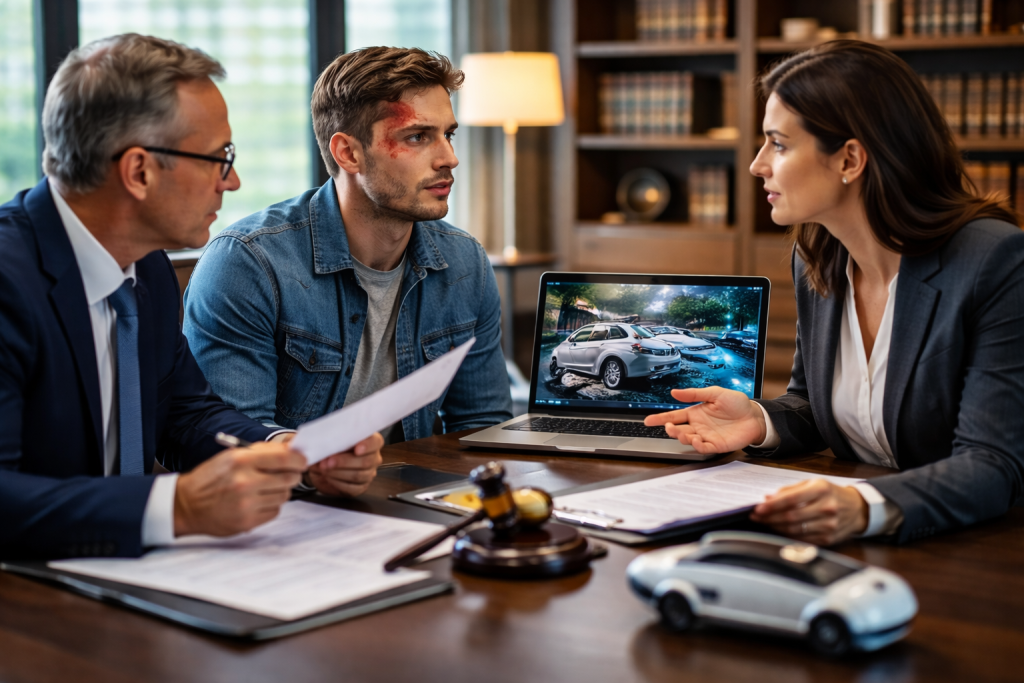
As the technology behind autonomous vehicles continues to advance, so too does the complexity of legal cases involving self-driving cars. If you’ve been injured in an accident with an autonomous vehicle, it’s important to have a lawyer on your side who understands the nuances of this emerging area of law. An experienced personal injury lawyer will help you:
- Navigate the legal complexities surrounding autonomous vehicle accidents.
- Gather and preserve evidence to support your claim.
- Ensure that you are fairly compensated for your injuries and losses.
Read more articles:
- Rear-Ended and Blamed: What to Do When It Wasn’t Your Fault
- Amazon Vans, Injured Pedestrians, and the Legal Gray Zone
- Can I Sue a Company for Putting Me in Danger?
- Hazard Lights at Night: Life-Saver or Liability?
- The Cost of a Concussion: It’s More Than Medical Bills