

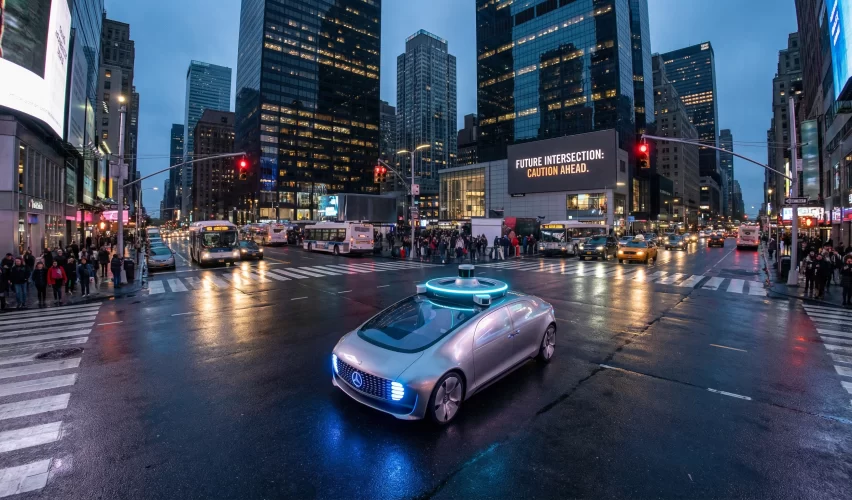
The rapid advancement of technology has brought self-driving cars from the realm of science fiction to our everyday streets. Consequently, the way we commute is changing at an unprecedented pace. While these innovations promise to reduce human error and improve traffic flow, they also introduce complex new challenges. When a machine is in control, determining who is at fault in a collision becomes a complicated legal puzzle. Understanding your legal rights after autonomous vehicle accidents is crucial for anyone sharing the road with these advanced machines.
Navigating the aftermath of a crash involving a self-driving car requires a deep understanding of emerging laws and liability frameworks. Furthermore, insurance companies are constantly adapting their strategies to handle these unique claims. Therefore, victims must be well-informed to ensure they receive fair compensation for their injuries and property damage. This comprehensive guide will explore the intricacies of autonomous vehicle accidents and explain how you can protect your legal rights.
The Rise of Self-Driving Technology on Our Roads
Automakers and tech companies are investing billions of dollars into developing fully autonomous vehicles. Currently, many cars on the road feature advanced driver-assistance systems that can steer, accelerate, and brake under certain conditions. The National Highway Traffic Safety Administration (NHTSA) categorizes these vehicles into different levels of automation, ranging from zero autonomy to fully self-driving capabilities. As these technologies become more prevalent, the likelihood of encountering an autonomous vehicle on your daily commute increases significantly.
Despite the promises of enhanced safety, autonomous vehicle accidents still occur. Sensors can fail, software can glitch, and unpredictable road conditions can confuse even the most advanced artificial intelligence. In fact, researchers are continuously studying the safety of these vehicles. A recent University of Central Florida study suggests that while driverless cars may have a lower overall chance of crashing compared to human-driven cars, they are more prone to accidents around dawn or dusk and while turning. This highlights the fact that the technology is not infallible.
When an accident happens, the traditional rules of the road are put to the test. Unlike standard collisions where human error is usually the primary cause, autonomous vehicle accidents often involve a combination of human and machine factors. For instance, a driver might fail to take control when the system prompts them, or the system itself might misinterpret a traffic signal. Understanding these nuances is essential for building a strong legal case.
Understanding Liability in Autonomous Vehicle Accidents
Determining liability is arguably the most challenging aspect of autonomous vehicle accidents. In a conventional car crash, fault is typically assigned to the driver who acted negligently. However, when a self-driving car is involved, the lines of responsibility blur. Depending on the circumstances, liability could fall on the human operator, the vehicle manufacturer, the software developer, or even the company responsible for maintaining the sensors.
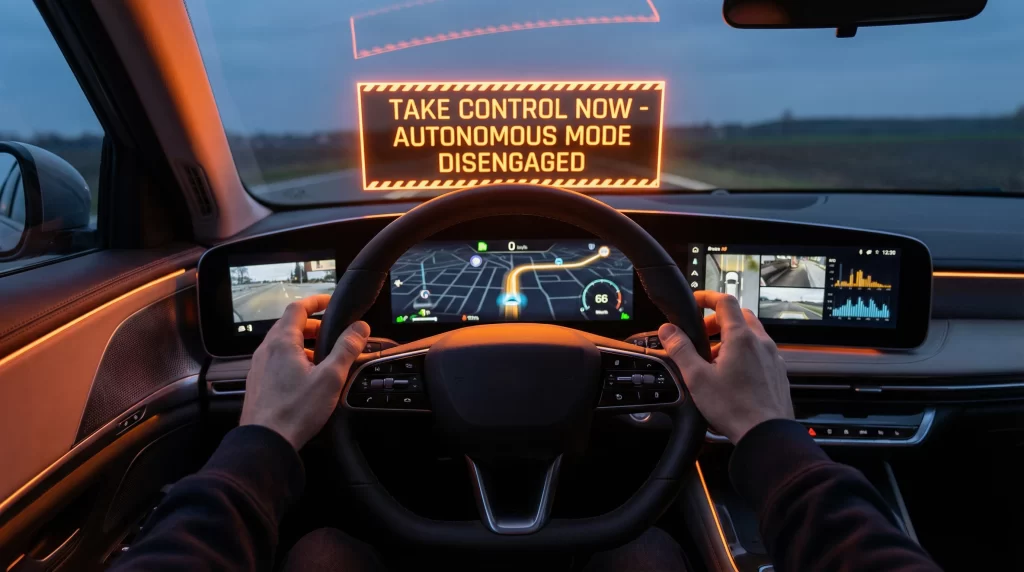
If the vehicle was operating in a semi-autonomous mode that required human supervision, the human driver might be held liable for failing to intervene. For example, if a driver was distracted and did not take the wheel when the system disengaged, their negligence could be the primary cause of the crash. This scenario is somewhat similar to what happens when you are hit by a distracted driver, where lack of attention leads to devastating consequences.
On the other hand, if the vehicle was operating in a fully autonomous mode and a system failure caused the crash, the manufacturer or software developer could be held responsible. This shifts the legal focus from driver negligence to product liability. Establishing fault in these cases often requires extensive investigation, including analyzing the vehicle’s data logs and consulting with technology experts. The Insurance Institute for Highway Safety (IIHS) closely monitors these developments to assess how automation impacts insurance claims and liability.
Product Liability Versus Driver Negligence
The distinction between product liability and driver negligence is a cornerstone of legal claims involving autonomous vehicles. Product liability claims assert that a defect in the vehicle’s design, manufacturing, or warning systems caused the accident. In the context of self-driving cars, a defect could be a flaw in the artificial intelligence algorithm, a malfunctioning LiDAR sensor, or inadequate instructions regarding the system’s limitations.
Pursuing a product liability claim can be incredibly complex. Plaintiffs must prove that the vehicle was unreasonably dangerous and that the defect directly caused their injuries. This often involves challenging large corporations with vast legal resources. According to the American Bar Association, product liability laws are continuously evolving to address the unique challenges posed by artificial intelligence and automated systems.
Conversely, driver negligence claims focus on the human element. Even in vehicles with advanced automation, drivers are often required to remain alert and ready to take control. If a driver ignores warnings or misuses the technology, they can be held accountable. Sometimes, fault is shared between the driver and the manufacturer. In such situations, understanding whether you can claim damages if you are partly at fault becomes vital, as comparative negligence laws will dictate how compensation is awarded.
Emerging Legal Frameworks for Driverless Cars
As autonomous vehicles become more common, lawmakers are scrambling to create legal frameworks that address liability and safety. Currently, regulations vary significantly from state to state, creating a patchwork of laws that can be confusing for accident victims. Some states have embraced self-driving technology, while others have imposed strict restrictions on its testing and deployment.
Recently, Utah lawmakers approved a legal framework specifically designed for driverless cars. This legislation establishes different causes of action and compensation caps for injuries involving autonomous vehicles. For instance, it creates a path for recovery for people who suffer injury or property damage directly caused by an automated driving system, while also setting limits on non-economic damages. These legislative efforts aim to balance the need for victim compensation with the desire to attract innovative companies.
These emerging frameworks will significantly impact how personal injury claims are handled in the future. As more states adopt specific laws for autonomous vehicles, the legal landscape will become more standardized. However, until then, victims must rely on experienced attorneys who understand the nuances of both traditional traffic laws and cutting-edge technology regulations. Staying informed about these legislative changes is crucial for anyone involved in a self-driving car accident.
Steps to Take After an Autonomous Vehicle Crash
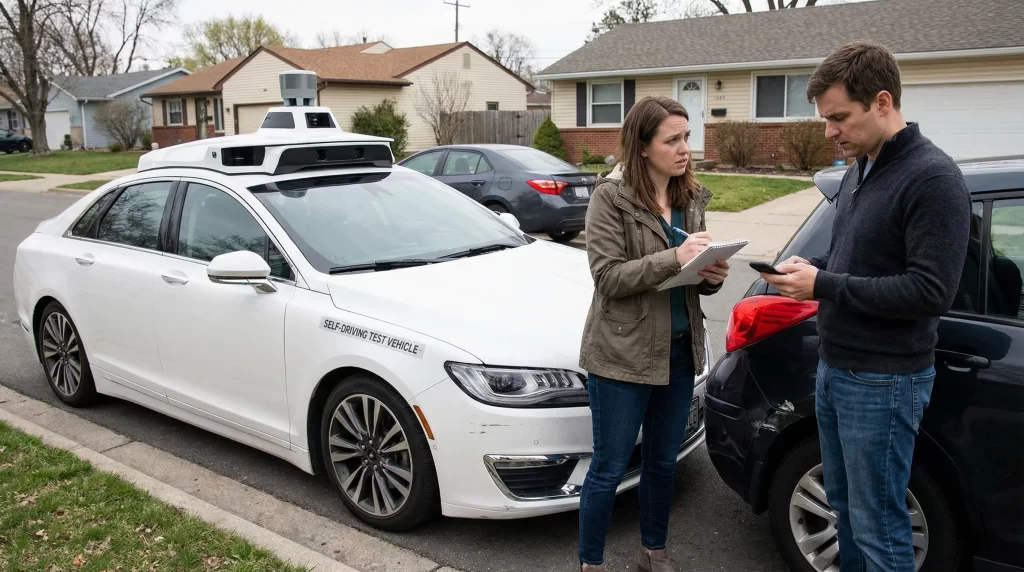
If you are involved in an accident with an autonomous vehicle, the steps you take immediately afterward can significantly impact your ability to recover compensation. First and foremost, prioritize your health and safety. Seek medical attention for any injuries, even if they seem minor at first. Adrenaline can mask the symptoms of serious conditions, so a professional medical evaluation is essential.
Next, document the scene of the accident as thoroughly as possible. Take photographs of the vehicles, the surrounding area, and any visible injuries. Collect contact information from witnesses and ensure that a police report is filed. Because autonomous vehicles record vast amounts of data, it is crucial to preserve this evidence. Your attorney can send a spoliation letter to the manufacturer or operator, demanding that they retain the vehicle’s data logs. Following a comprehensive survival checklist for the first 24 hours after a crash can help you stay organized during this chaotic time.
Finally, be cautious when dealing with insurance companies. Adjusters may attempt to shift blame or offer a settlement that does not fully cover your damages. They might argue that the technology was not at fault or that you contributed to the accident. Knowing how insurance companies lowball injury claims will empower you to fight back and demand the compensation you deserve. Consulting with a knowledgeable personal injury attorney is the best way to protect your rights and navigate the complexities of your claim.
The Future of Personal Injury Law and Automation
The intersection of personal injury law and autonomous technology is a rapidly evolving frontier. As self-driving cars become more sophisticated, the legal strategies used to represent accident victims must also adapt. Attorneys will increasingly rely on digital forensics, accident reconstruction experts, and software engineers to build compelling cases. Moreover, the focus will shift from analyzing human behavior to scrutinizing lines of code and sensor data.
The insurance industry will also undergo significant transformations. Traditional auto insurance policies may be replaced or supplemented by product liability insurance for manufacturers. This shift could change how claims are processed and how compensation is distributed. The Insurance Information Institute predicts that while the frequency of accidents may decrease, the cost of repairing advanced technology and resolving complex liability disputes could rise substantially.
Ultimately, the goal of personal injury law remains the same: to ensure that victims are fairly compensated for their losses. Whether an accident is caused by a distracted human or a malfunctioning algorithm, those who suffer harm deserve justice. By staying informed about the latest technological advancements and legal developments, you can better protect yourself and your loved ones on the road.
Conclusion
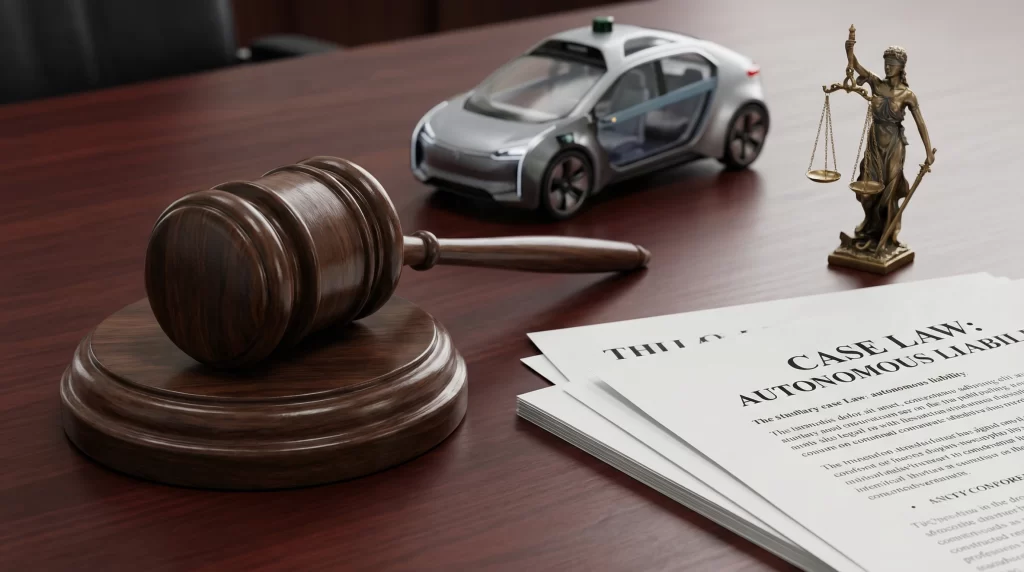
Autonomous vehicle accidents present unique challenges that require specialized legal knowledge. As self-driving technology continues to integrate into our daily lives, understanding the shifting landscape of liability is more important than ever. From product defects to shared negligence, the factors contributing to these crashes are multifaceted and complex.
If you find yourself involved in a collision with an autonomous vehicle, remember that you have rights. By taking the appropriate steps after the accident and seeking professional legal guidance, you can navigate the intricate claims process with confidence. The future of transportation is here, and being prepared is your best defense against the uncertainties of the road.